
Three Years On: From a Suprasellar Mass to Continued Tumor Shrinkage, Xiaopingguo Reclaims a Carefree Childhood
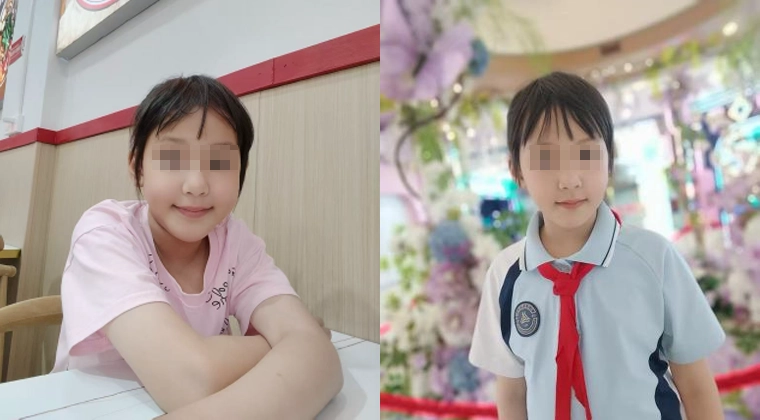
Nine-year-old Xiaopingguo was diagnosed with an intracranial germ cell tumor in the suprasellar region. Following a multidisciplinary team (MDT) consultation, she received comprehensive treatment comprising diagnostic radiation therapy, sequential low-dose EP chemotherapy, high-precision stereotactic radiation therapy, immune support, and supportive treatment with traditional Chinese medicine. Over three years of follow-up, the lesion continued to decrease in size, while the patient gradually recovered and successfully returned to school and a normal childhood life.
- Patient Xiaopingguo (pseudonym)
- From China
- Diagnosis Intracranial germ cell tumour
- Treatment Sequential low-dose EP chemotherapy + stereotactic radiotherapy
- Follow-up 30+ years
1.The “Uninvited Guest” Behind Her Loss of Appetite
In the summer of 2023, nine-year-old Xiaopingguo should have been enjoying her school vacation, running around and asking her mother for ice cream. But in early August, she suddenly lost her appetite. She could barely manage a few bites even of her favorite tomato and egg stir-fry and became listless, with none of her usual energy.
“Maybe it’s just too hot for her to eat?” her family initially thought. But as Xiaopingguo grew thinner day by day, her mother became increasingly worried. After seeking medical care, a brain MRI finally revealed the cause: a germ cell tumor in the suprasellar region.
The news came as a devastating blow to the family. Xiaopingguo did not yet understand what a tumor was. Wide-eyed, she simply asked her mother, “Mom, do I have to stay in the hospital for a long time? Can I still go to school?”
2.A Multimodal Approach to Intracranial Germ Cell Tumor: Step by Step Toward Tumor Reduction
After seeking advice and carefully comparing their options, Xiaopingguo’s family ultimately chose our hospital. Following her admission, a multidisciplinary team was promptly assembled for consultation. Based on her age, clinical condition, and examination results, the team developed an individualized treatment plan, beginning with diagnostic radiation therapy to assess the tumor’s sensitivity to radiation before determining the full course of subsequent treatment.
On October 5, 2023, nine-year-old Xiaopingguo entered the radiation therapy room for the first time. The enormous machine looked like a spacecraft—mysterious and intimidating. But she was braver than anyone had expected. Clenching her little fists and biting her lip, she made it through one session after another. The medical staff praised her: “She’s so mature for her age—even stronger than many adults.” Xiaopingguo completed all 10 planned radiation therapy sessions without missing a single one.
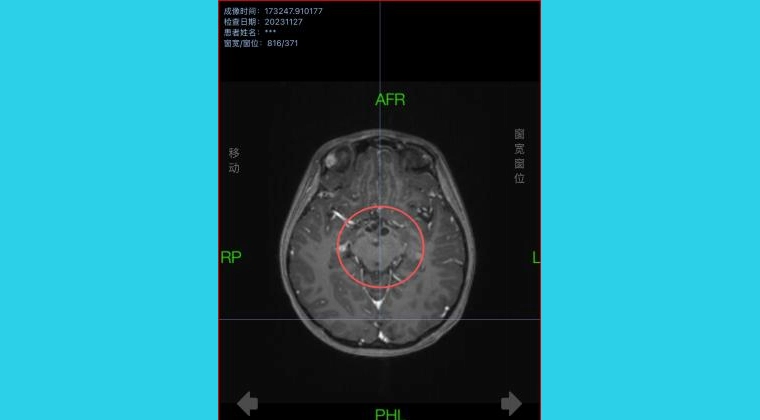
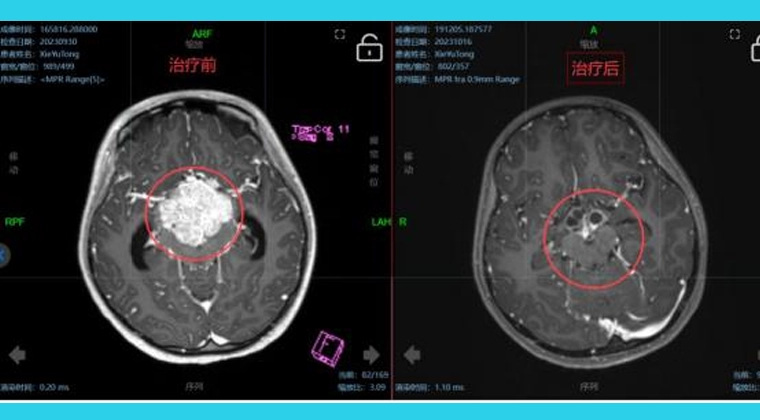
Photo 1. October 16, 2023: Follow-up brain MRI showed significant tumor shrinkage
On October 16, she underwent her first follow-up examination. When the new MRI scans were compared with the previous ones, everyone finally breathed a sigh of relief: the tumor had shrunk significantly. “Germ cell tumors are highly sensitive to radiation therapy. We’re on the right track.” The doctor’s words were like a ray of light in a dark time for the family.
In November, the second follow-up examination showed further tumor shrinkage. Even more encouraging for the family, her blood hCG level had returned to the normal range. The decrease in this key tumor marker indicated that tumor activity had been effectively brought under control. Based on the imaging findings, changes in tumor marker levels, and response to radiation therapy, the doctors formally established the clinical diagnosis of an intracranial germ cell tumor. The diagnosis was difficult to hear, but for Xiaopingguo’s family, finally having an answer also brought relief: now that they knew exactly what they were facing, treatment could be planned with greater precision.
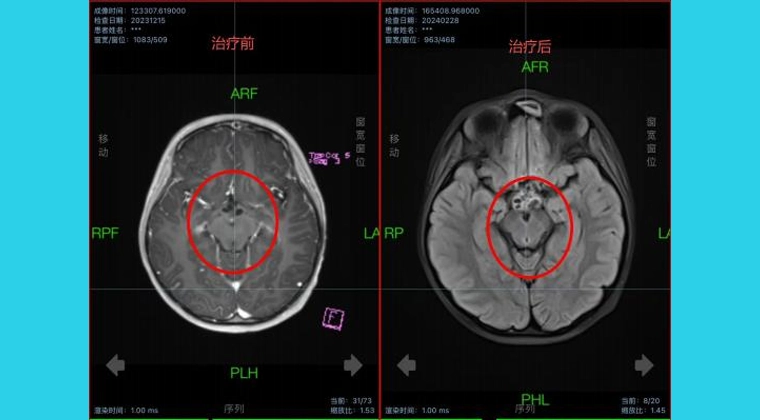
Photo 2. November 2023: Follow-up showed a significant reduction in tumor extent
Following the treatment plan, Xiaopingguo underwent further multimodal consolidation therapy, including low-dose sequential EP chemotherapy and stereotactic radiation therapy with TomoTherapy, along with immune support and traditional Chinese medicine to support her overall health and minimize the risk of recurrence.
Throughout treatment, she kept going, no matter how difficult it became. Fatigue, nausea, skin reactions—the side effects kept coming. Sometimes she would quietly cry, but she never once said, “I don’t want to do this anymore.” Whenever her mother asked if it hurt, she would shake her head and say, “The doctors all say I’m doing great.”
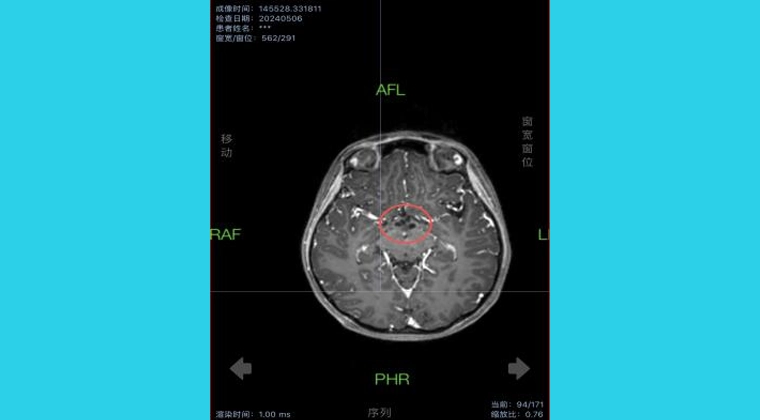
Photo 3. February 2024: Follow-up showed further tumor shrinkage
On May 6, 2024, a follow-up MRI showed that the suprasellar tumor had decreased in size, with minimal residual tumor. She had responded well to treatment, marking another solid step forward in her recovery.
Photo 4. May 6, 2024: Follow-up MRI showed shrinkage of the suprasellar tumor
3.Nearly Three Years Later: Further Tumor Shrinkage
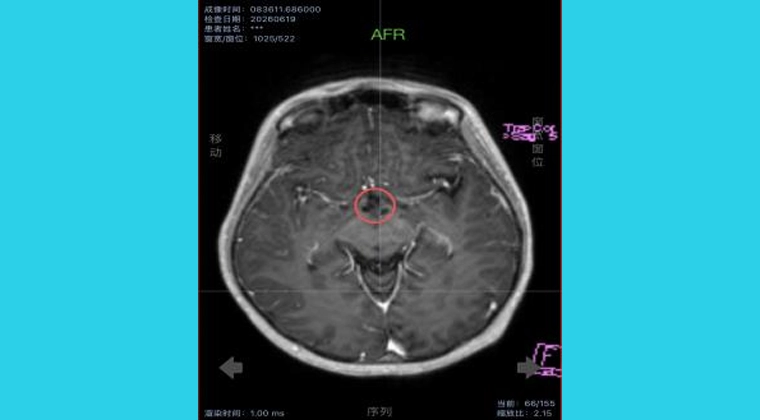
In June 2026, nearly three years had passed since Xiaopingguo first became ill. It was time for another follow-up. Her mother held her hand as they sat outside the consultation room, hopeful yet anxious. The doctor came out with the scans in hand, smiling. “Good news—the lesion has shrunk even further!”
Photo 5. June 2026: Follow-up MRI showed further shrinkage of the lesion
At that moment, tears welled up in her mother’s eyes—not from sadness, but from overwhelming joy.
Three years. From the initial loss of appetite and diagnosis, through diagnostic radiation therapy, chemotherapy, and craniospinal irradiation, to repeated follow-ups and every hurdle along the way, this little girl, only nine when it all began, had made it through one difficult battle after another.
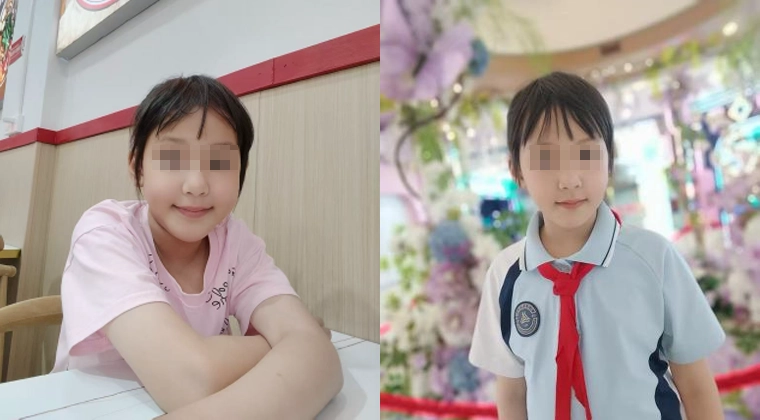
Photos 6 and 7. Xiaopingguo has returned to normal life
Today, Xiaopingguo’s appetite has returned, her routine is back to normal, and she continues to make steady progress in everyday life. Step by step, she is reclaiming her childhood. With her schoolbag on her back once again, she has returned to the classroom, where she studies, draws, and plays with her classmates. The little girl who was once so listless is once again the lively, playful Xiaopingguo who loves to laugh and have fun.
When asked whether she was ever afraid, Xiaopingguo answered earnestly, “Sometimes I get scared too, but every time I keep going, I know I’m one step closer to recovery.”
This record is shared with the patient's consent. Names may have been changed to protect privacy, and individual outcomes vary from person to person.