Late-Stage Lung Cancer Patient Seeks Treatment Across Multiple Hospitals Without Success; Our Expert Team Rekindles the “Light of Life”
A 60-year-old patient with small cell lung cancer sought treatment at multiple hospitals without success. After comprehensive MDT treatment and nutritional support, the tumor significantly shrank, swallowing and breathing improved, weight was restored, and the condition was controlled. This demonstrates the value of standardized comprehensive treatment and provides new hope for critically ill late-stage patients.
- Patient Mr. Cai
- From China
- Diagnosis Small cell lung cancer
- Treatment Chemotherapy + radiotherapy
- Follow-up 4+ years
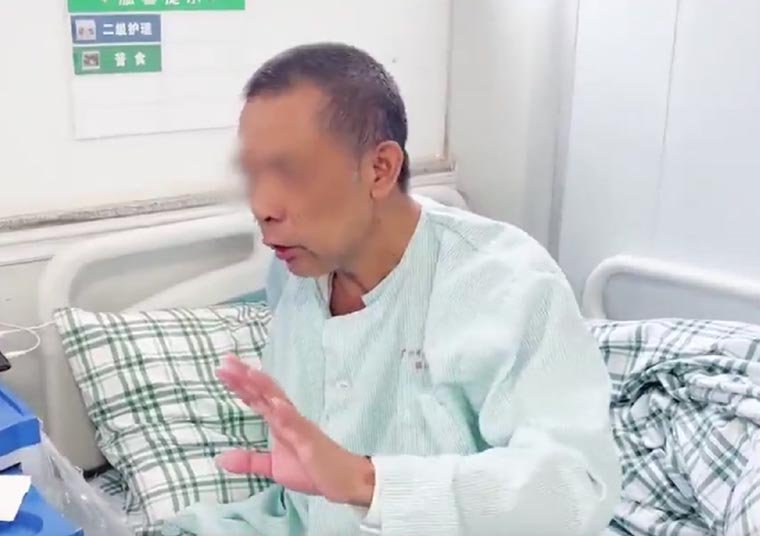
In October 2022, Mr. Cai, a 60-year-old man, developed a cough and hoarseness, which he initially attributed to a common cold and did not pay much attention to. As his symptoms worsened, he sought medical evaluation and was unfortunately diagnosed with small cell lung cancer. Due to the pandemic, he took traditional Chinese medicine at home for four months, but the treatment was ineffective and the tumor progressed. By March 2023, Mr. Cai experienced severe coughing, producing large amounts of white, sticky phlegm. His voice became hoarse to the point that he could not speak, and swallowing was difficult, preventing normal eating; he could only manage small amounts of liquid food. He suffered from shortness of breath and could not lie flat, experienced general weakness, and had visibly lost weight. Despite visiting multiple local hospitals and several major hospitals in Guangzhou, he received no effective treatment. His family was in daily tears. Finally, through the family's arrangements, he was transported by ambulance to our hospital for care.
After being admitted, Mr. Cai underwent a thorough and comprehensive evaluation at our hospital. The results showed that his tumor had progressed in size and number of lesions compared to before. He had cancer in the anterior segment of the upper lobe of the left lung, with multiple metastases to the left hilum and mediastinum. The lesions involved the left main bronchus, the left pulmonary artery, and the esophagus. There was also a possible formation of an esophageal-mediastinal fistula, along with inflammation in the left lung.
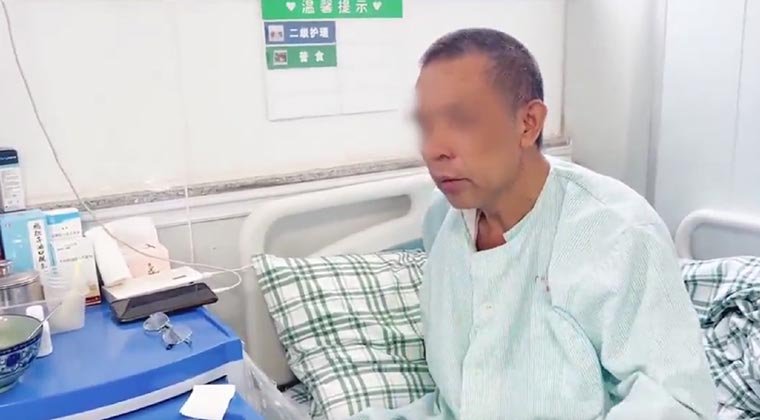
Our team, led by Professor Wang and Director Wu, immediately organized a multidisciplinary team (MDT) consultation including the departments of thoracic surgery, medical oncology, radiotherapy, and nutrition. Taking into account the patient's age, physical condition, and tumor staging, a treatment plan was urgently developed. With infection control and intravenous nutritional support in place, a gastrostomy was performed to address malnutrition caused by esophageal obstruction. The first priority was to resolve respiratory issues, and emergency chemotherapy was administered immediately. Subsequently, to prevent further obstruction of affected organs, four cycles of intravenous chemotherapy were completed, resulting in significant tumor shrinkage. The radiotherapy team then reconvened the MDT to reassess the patient and administered 30 sessions of radiotherapy targeting the left hilar lesions and previously involved lymph nodes, including the hilum, mediastinum, and left supraclavicular region.
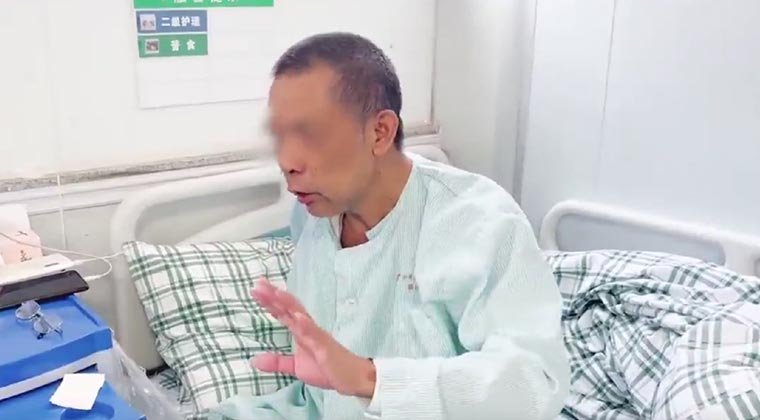
During treatment, Mr. Cai felt progressively better each day, and every follow-up examination boosted his confidence. After six months of radiotherapy in the Tumor Radiotherapy Ward 2, his condition had significantly improved compared to before. He was able to eat normally, engage in regular activities, his body weight increased from 42 kg at admission to 60 kg, and the lung tumor had noticeably shrunk.

In late December, the patient was readmitted. When the doctors and nurses saw Mr. Cai, his complexion was rosy, his voice strong and clear, and his physical activity normal. They could hardly believe it was the same patient they had first seen. Follow-up examinations confirmed that the tumor was under control. On December 24, the esophageal-mediastinal area had essentially healed, and Mr. Cai was able to eat normally. His gastrostomy tube was removed, and his daily life gradually returned to normal. Mr. Cai and his family were overjoyed and moved, and they presented a banner to our team in gratitude for the careful treatment and meticulous care.
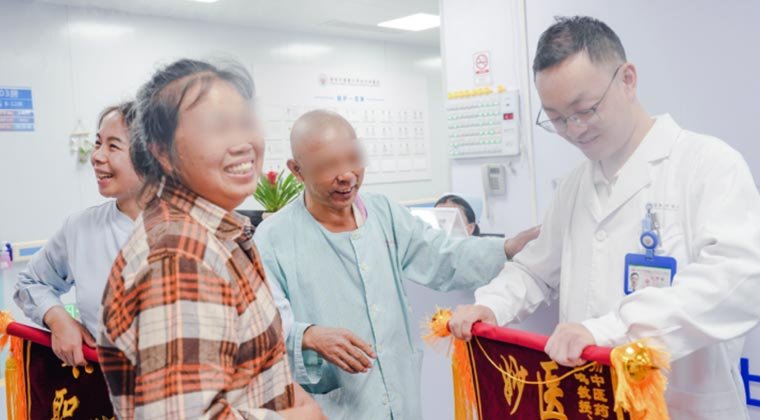
"You respond urgently to what the patient needs and think about what the patient thinks — even a small, unintended gesture from you warms my heart. When I was first admitted, my condition was very serious, but your superb skills and attentive care rekindled my hope and helped me overcome the disease. Every time I return here, it feels like coming home, and I feel completely at ease," said Mr. Cai emotionally as he presented a banner to our medical team in gratitude.
Mr. Cai is a retired serviceman. He said, "Even after taking off the uniform, the spirit of never giving up flows in my blood." During his hospital stay, Mr. Cai often encouraged fellow patients, telling them, "A positive, optimistic, and proactive attitude is the beginning of all treatment. Being ill is not frightening; what is frightening is losing the confidence and perseverance to overcome the disease."
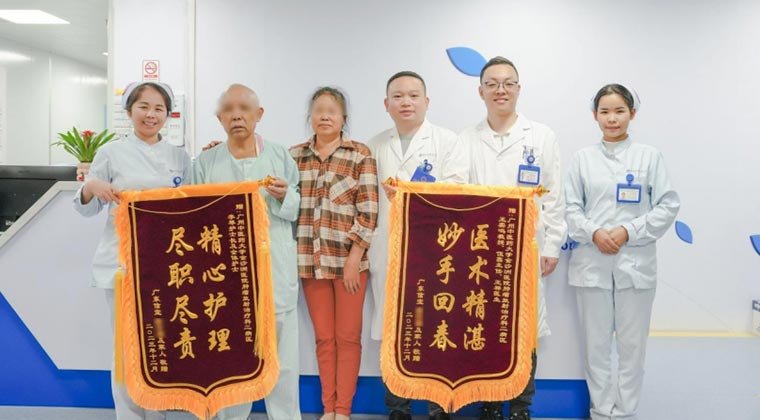
Mr. Cai's journey of fighting cancer has been full of hardship, yet also full of persistence. His experience reveals the resilience of life itself and demonstrates the practical value of standardized, comprehensive treatment in critical conditions. For our team, the banner he presented was not only a token of gratitude but also a reminder: every assessment and treatment must be seamlessly coordinated, creating an actionable care pathway so that patients can see the next step even in their most difficult moments.
Honestly, at that time I felt I almost couldn’t make it. The Jinshazhou Hospital team “picked” my life back. I fully trust them; every time I return, I feel as safe as being at home.
This record is shared with the patient's consent. Names may have been changed to protect privacy, and individual outcomes vary from person to person.